
How ASAM 4.0 Turned Compliance Into a Clinical Standard, Where Every Clinical Decision Must Be Proven on Paper.

By setting national standards and integrating with modern tools like EMRs and telehealth, ASAM redefined how clinicians document, justify, and deliver the right level of treatment, bridging the long-standing gap between care quality and payer compliance. Missed our previous newsletter? Read it here.
What if nearly half of your denied claims weren’t about care quality, but your notes? Under ASAM 4.0, documentation is now the real decider of level-of-care approval.
As we move further from the foundations of American Society of Addiction Medicine (ASAM) 3.0 into the 4.0 era, one truth is now unmistakable: documentation is no longer a back from office afterthought it is the clinical decision tool. Under ASAM 4.0, every placement, transition, and discharge must be anchored in notes, data, and evidence that link patient need to level of care and reimbursement.
Previously on The Binario BulletinLast month’s issue unpacked how ASAM 3.0 and 4.0 version built the common language of modern addiction care, a shift that standardized how clinicians assess readiness, risk, and recovery across every level of treatment.
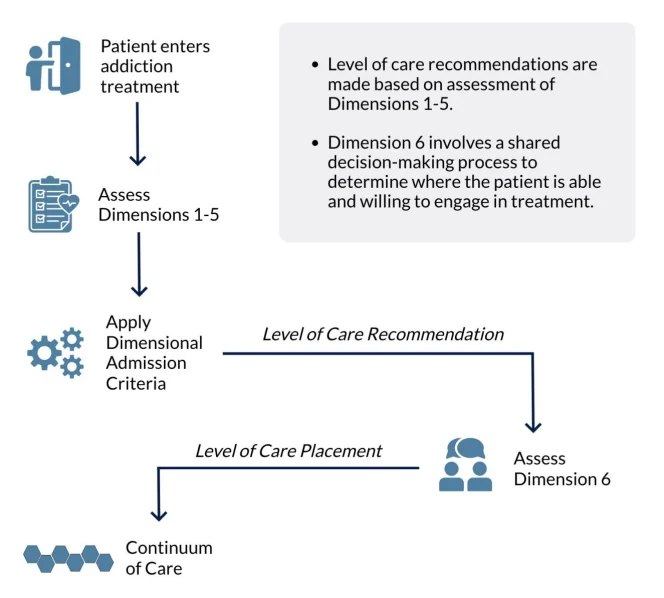
Behavioral health programs that still view compliance as separate from clinical practice are already at risk. Major payers have begun aligning reviews to 4.0 documentation expectations.
The shift is systemic: if it’s not documented, it didn’t happen.
But those who adapt early gain a competitive edge. With structured templates, AI-driven audit tools, and staff trained in dimensional documentation, facilities can achieve faster approvals, stronger audits, and more accurate utilization reviews, all while improving patient outcomes.
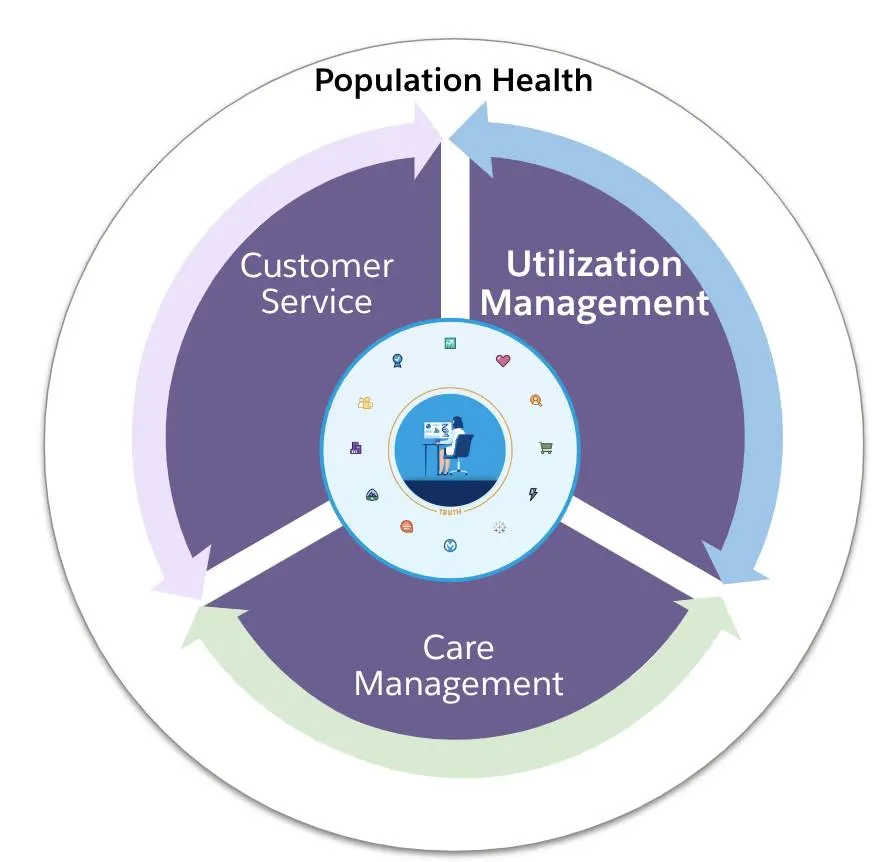
We’ve entered an age where clinical integrity is no longer proven by intent, but by evidence. ASAM 4.0 gives the field a common language, one where notes, data, and care decisions all speak in unison. For clinicians, this means documentation is no longer a task to complete, it’s the clearest expression of their care.
So instead of viewing documentation as compliance, we now see it for what it truly is: The proof of integrity in clinical practice.
1. Laughter Drops Cortisol by 32%
One session of genuine laughter can slash stress hormones by about a third, with effects lasting hours after the laughter fades.
–PubMed, 2025–
2. Mondays Really Are Stressful
Adults who felt their weekly anxiety spike on Mondays had 23% higher long-term cortisol levels than those stressed on other days.
–New York Post, July 2025–
Emotions Have “Half-Lives.”
Research shows the average emotion lasts about 90 seconds unless it’s fueled by ongoing thoughts. It’s not the feeling that lingers — it’s the story we attach to it.
–Psychology Today–
Mental-health workforce gap deepens in U.S. counties
According to the Mental Health America’s “State of Mental Health in America 2025” report, more than 320 individuals now share a single mental-health provider in some states, spotlighting access bottlenecks.
–Mental Health America–
States scramble to regulate AI chatbots for therapy amid mounting risks
Illinois, Nevada, Utah and others are enacting or debating bans on AI-powered therapy tools, leaving the behavioral health field navigating a patchwork of new laws.
–Health Policy Institute of Ohio–
U.S. NIH launches $50 million autism research initiative
National Institutes of Health (NIH) awarded 13 projects focused on autism’s genetic, environmental and clinical drivers, aiming to deliver rigorous answers after decades of high demand.
–National Institutes of Health–
Join thousands of professionals who trust Binario Research for the latest healthcare and automation insights. Stay ahead with our weekly newsletter.