If you’ve ever filled out a medical form or signed privacy paperwork at a hospital, you’ve probably seen HIPAA mentioned. The Health Insurance Portability and Accountability Act or HIPAA sets rules for how health information is protected and shared.
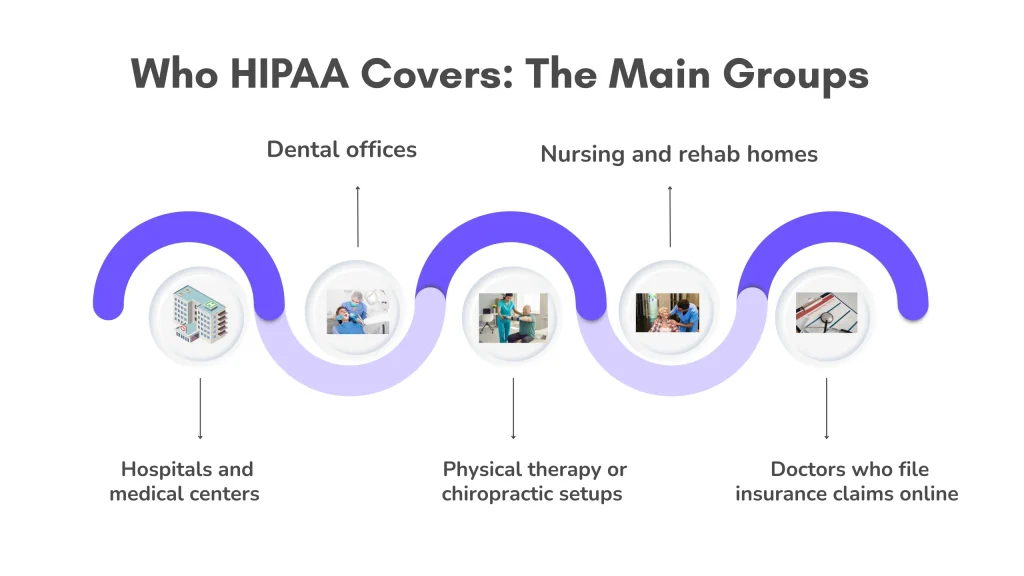
It sounds like it should cover everyone. Because HIPAA is focused on keeping personal health details private, a lot of people think it applies to anyone who touches medical information. It seems like it should, right? But the truth is a bit different. Does HIPAA apply to everyone? No, it really doesn’t. HIPAA only applies to a few specific groups like certain organizations and people known as covered entities or business associates. Everyone else who handles health-related information might not be covered by HIPAA at all.
This guide breaks it down in simple terms so you can see who’s included and who’s left out. You’ll see who HIPAA actually protects, who it doesn’t and why that difference matters more than most people think.