
In last month’s issue, we opened a conversation on how ASAM 4.0 transformed documentation into the engine behind every clinical decision. Records were no longer passive archives, they became the reasoning behind every choice, they were gaps that could stop care in its tracks.
The December issue showed that documentation sits at the intersection of compliance and consequence. If you missed it, it’s worth revisiting, because January builds on that quiet principle: small, consistent actions matter more than sudden leaps. Missed that issue? Read it here.
January doesn’t make announcements. It doesn’t announce itself with urgency. Rather, it arrives through subtle habits. A familiar coffee mug, gazing at the quiet morning light, a pause before action. The mind is negotiating rhythm with itself, not racing toward resolutions.
Neuroscience calls this re-entry friction: after a break, the brain doesn’t instantly regain focus or motivation. Instead, it slowly recalibrates, relying on small cues, habitual patterns, and environmental nudges to re-establish equilibrium.
This month’s issue is about noticing that work, appreciating it, and understanding how the unconscious mind and habits quietly prepare us for what’s ahead. Read More
Research from University College London confirms that slow, reliable habits are the brain’s most preferred pathway to sustainable change.
Even geographically distant, January follows a similar, understated pulse across the U.S.

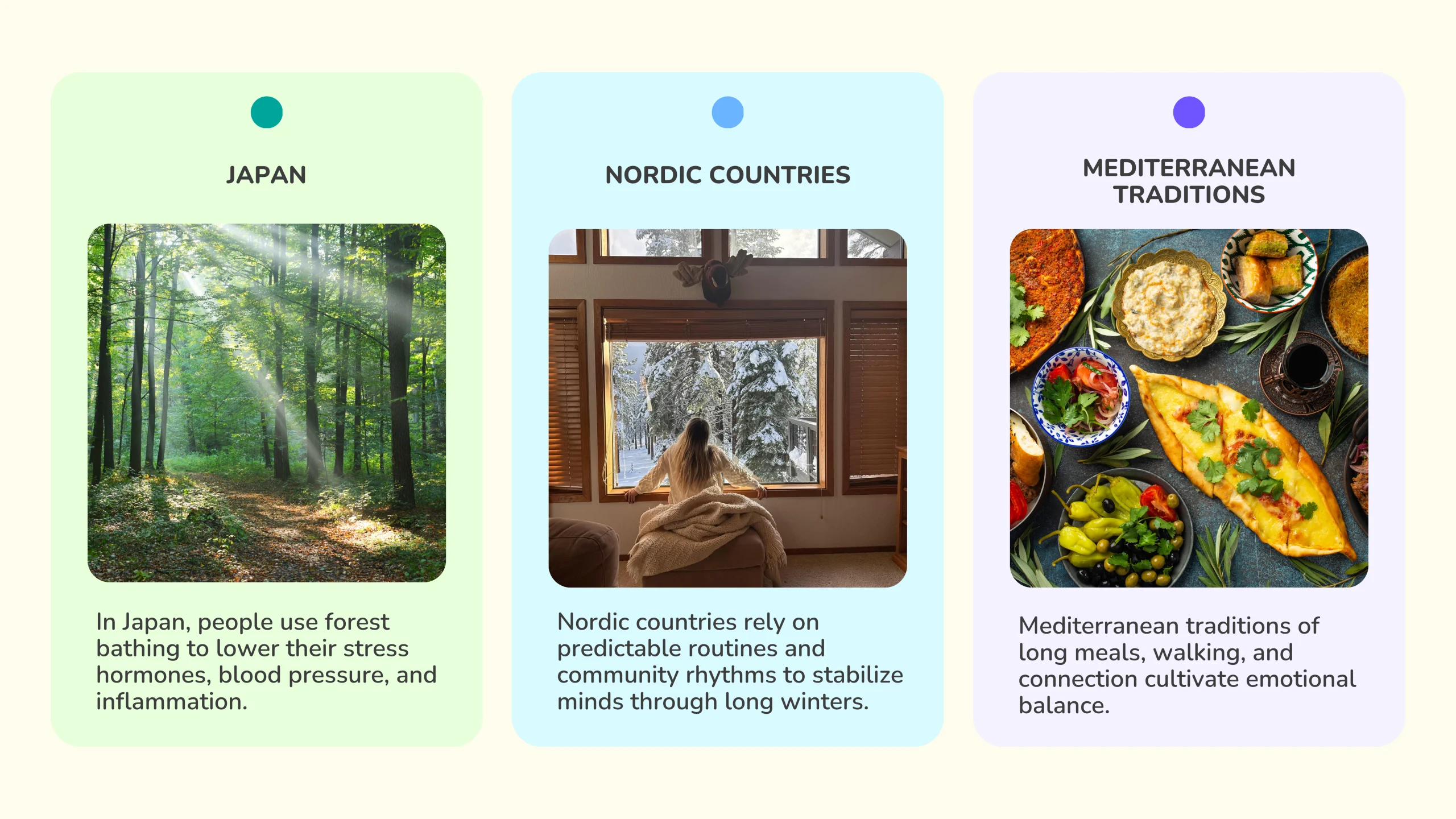
Different cultures, same lesson: the mind thrives on trust, familiarity, and repetition.
January is our opportunity to let these patterns quietly guide us, whether through movement, reflection, or small daily rituals.
Even when routines return, some challenges quietly linger. Across the United States of America, many families face a familiar struggle: teens navigating stress, anxiety, or early mental health concerns that can disrupt school, relationships, and daily life.
Support exists, but the options can feel confusing. Intensive programs, outpatient care, and therapy all look different, and families often don’t know what fits best or when to seek help. Clarity before crisis makes all the difference. Small, informed steps can change a year, sometimes a life.
This is the vision behind The Adolescent Network: an effort to help families understand the options, see what each level of care provides, and connect to guidance that meets teens where they are. Read More
Join thousands of professionals who trust Binario Research for the latest healthcare and automation insights. Stay ahead with our weekly newsletter.